Ipiranga Museum 130 years: stories to reflect on the present.
Built as a monument to independence, the Museum broadened its perspectives and incorporated new voices. It became a space for dialogue between diverse social and cultural perspectives, debating central themes for contemporary society.
Today we are a museum of Brazilian history and stories.
Our objects, research, and cultural activities address multiple aspects and experiences of the daily lives of millions of Brazilians.
We celebrate our 130th anniversary as a space that questions and welcomes, open to listening and diversity.
For the Ipiranga Museum, reflecting on the past is an invitation to think about the present.
Ipiranga Museum 130 years: stories to reflect on the present.
Built as a monument to independence, the Museum broadened its perspectives and incorporated new voices. It became a space for dialogue between diverse social and cultural perspectives, debating central themes for contemporary society.
Today we are a museum of Brazilian history and stories.
Our objects, research, and cultural activities address multiple aspects and experiences of the daily lives of millions of Brazilians.
We celebrate our 130th anniversary as a space that questions and welcomes, open to listening and diversity.
For the Ipiranga Museum, reflecting on the past is an invitation to think about the present.
Episodes now available
Miniseries about the Ipiranga Museum
For 130 years, the Ipiranga Museum has gathered stories, research, and memories that span generations. More than a monument to independence, this miniseries shows that the Museum is a living space, full of affection and debates that invite reflection on the present.
Celebrating its 130th anniversary, the Ipiranga Museum reflects on Brazil's past in order to better understand the present. This five-episode series explores significant objects from its collection to understand how the museum has questioned the narratives it helped to create and solidify. Thinking about the present – stories from a museum in transformation This is a podcast from the Ipiranga Museum, produced by Estúdio Novelo.
Celebrating its 130th anniversary, the Ipiranga Museum reflects on Brazil's past in order to better understand the present. This five-episode series explores significant objects from its collection to understand how the museum has questioned the narratives it helped to create and solidify. Thinking about the present: stories from a museum in transformation. This is a podcast from the Ipiranga Museum, produced by Estúdio Novelo.
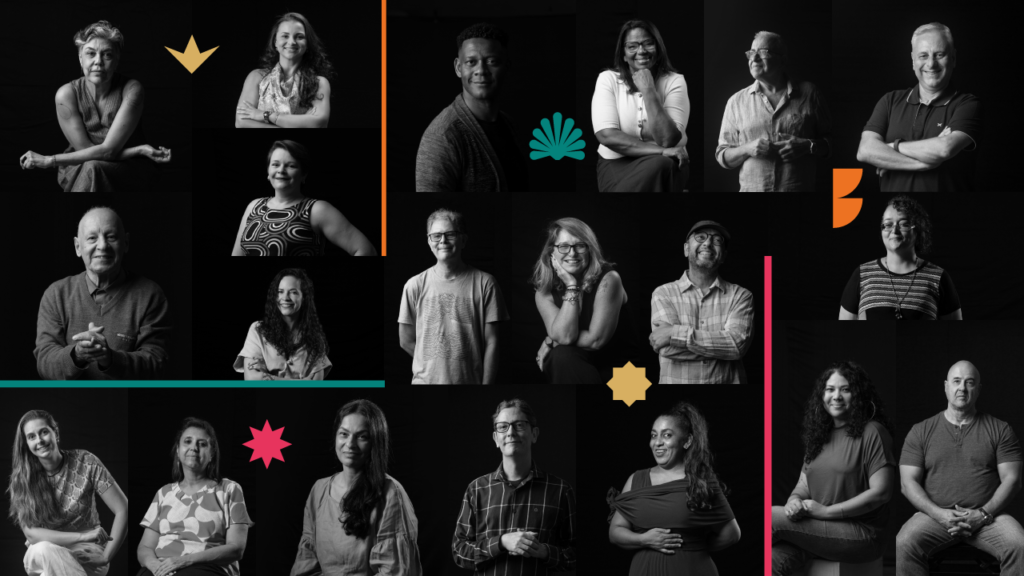
O Museu Paulista da USP foi construído (e continua sendo constituído) por muitas pessoas. Alguns permaneceram por décadas, outros por períodos mais breves. É justamente esse encontro entre trajetórias individuais e a instituição que o projeto celebra com o objetivo de registrar a dimensão humana, que nem sempre aparece nas vitrines ou nos documentos oficiais.
O Museu Paulista da USP foi construído (e continua sendo constituído) por muitas pessoas. Alguns permaneceram por décadas, outros por períodos mais breves. É justamente esse encontro entre trajetórias individuais e a instituição que o projeto celebra com o objetivo de registrar a dimensão humana, que nem sempre aparece nas vitrines ou nos documentos oficiais.
Discover how the Ipiranga Museum has transformed over 130 years.
1922
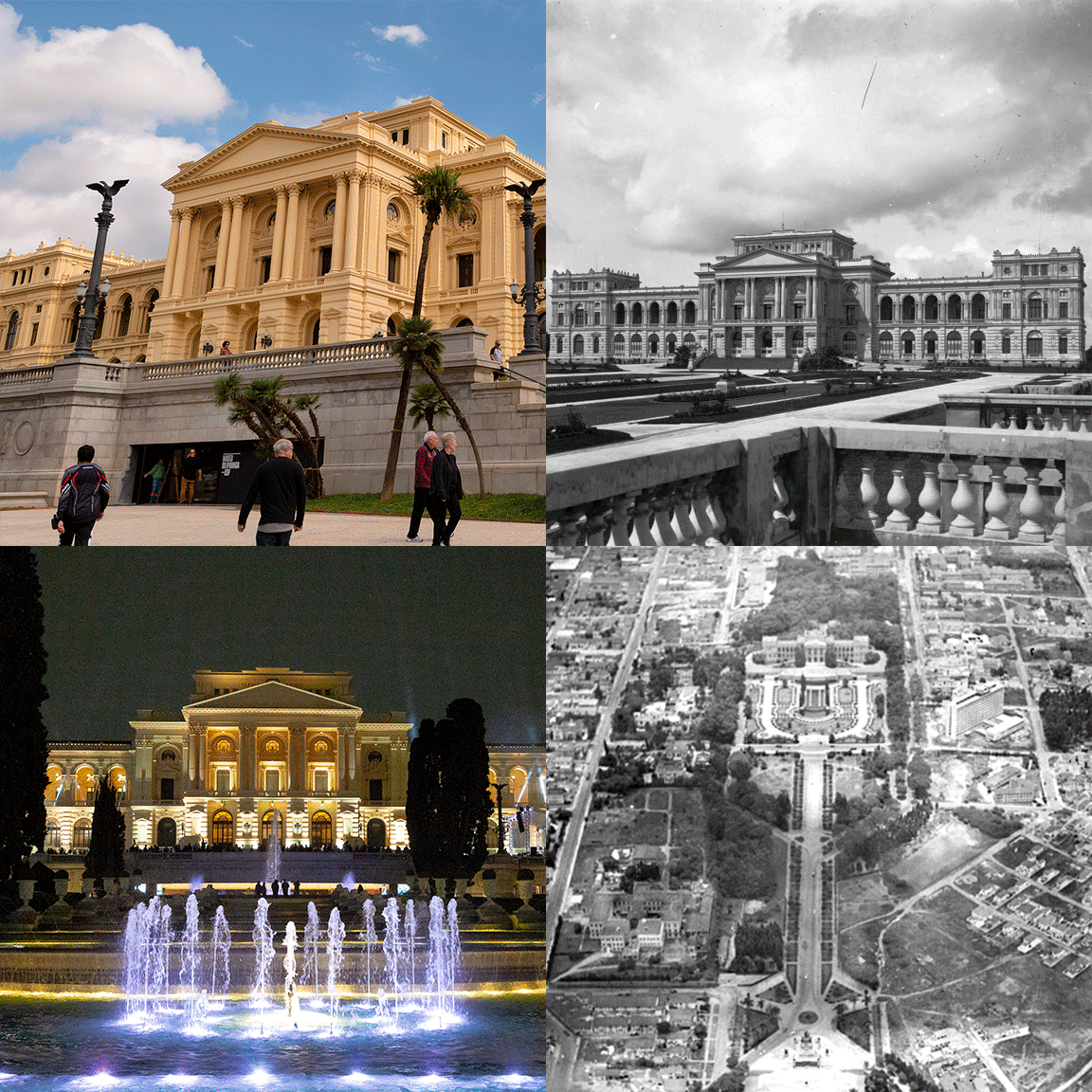
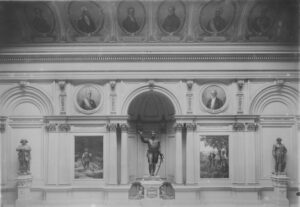
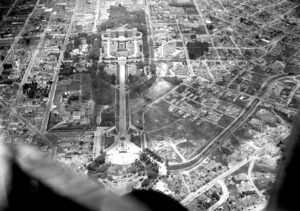
After being closed for about two years, the Museum reopened for the centennial celebrations of Independence with new decorations and a new garden, which are preserved to this day. In 1923, the Republican Convention Museum of Itu was created in the interior of São Paulo, as the second headquarters of the Paulista Museum.
1975
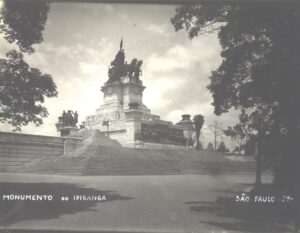
Independence Park becomes a cultural heritage site of São Paulo.
1996
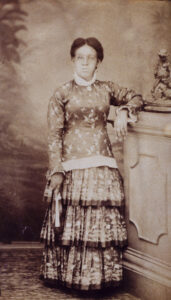
The institution acquired more than 12,000 photographs of Militão Augusto de Azevedo and his son, Luís Gonzaga de Azevedo.
2013
The Museu Paulista is closing its monument building to the public due to structural problems. The collection is being transferred to nearby properties, while activities outside the museum will continue.
2025
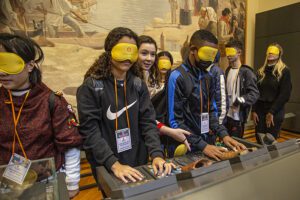
The Ipiranga Museum celebrates its 130th anniversary and consolidates its position as a benchmark in history, material culture, and accessibility.
1895
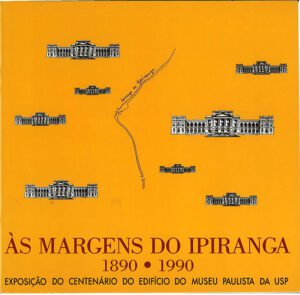
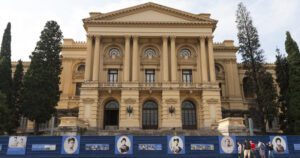
The Museu Paulista opens to the public on September 7th and will occupy the landmark building in Ipiranga. Therefore, it is popularly known as the Museu do Ipiranga.
1962
The Museum, which had been a complementary institute since 1934, becomes a unit of USP (University of São Paulo).
1990
The Museu Paulista specializes in History and Material Culture.
1998
After undergoing restoration work in 1995, the monument-building became a Brazilian cultural heritage site.
2022
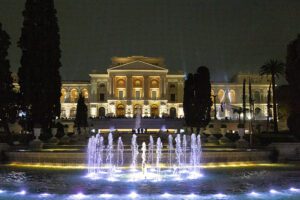
The monument-building reopens on the bicentennial of independence with new exhibitions and a new visual and brand identity, officially assuming the name by which it has always been known: Museu do Ipiranga (Ipiranga Museum).
1895
The Museu Paulista opens to the public on September 7th and will occupy the landmark building in Ipiranga. Therefore, it is popularly known as the Museu do Ipiranga.
1922
After being closed for about two years, the Museum reopened for the centennial celebrations of Independence with new decorations and a new garden, which are preserved to this day. In 1923, the Republican Convention Museum of Itu was created in the interior of São Paulo, as the second headquarters of the Paulista Museum.
1962
The Museum, which had been a complementary institute since 1934, becomes a unit of USP (University of São Paulo).
1975
Independence Park becomes a cultural heritage site of São Paulo.
1990
The Museu Paulista specializes in History and Material Culture.
1996
The institution acquired more than 12,000 photographs of Militão Augusto de Azevedo and his son, Luís Gonzaga de Azevedo.
1998
After undergoing restoration work in 1995, the monument-building became a Brazilian cultural heritage site.
2013
The Museu Paulista is closing its monument building to the public due to structural problems. The collection is being transferred to nearby properties, while activities outside the museum will continue.
2022
The monument-building reopens on the bicentennial of independence with new exhibitions and a new visual and brand identity, officially assuming the name by which it has always been known: Museu do Ipiranga (Ipiranga Museum).
2025
The Ipiranga Museum celebrates its 130th anniversary and consolidates its position as a benchmark in history, material culture, and accessibility.
Become a friend of the Museum!
Sign up for the Ipiranga Museum's Friends Program and help build the next 130 years.