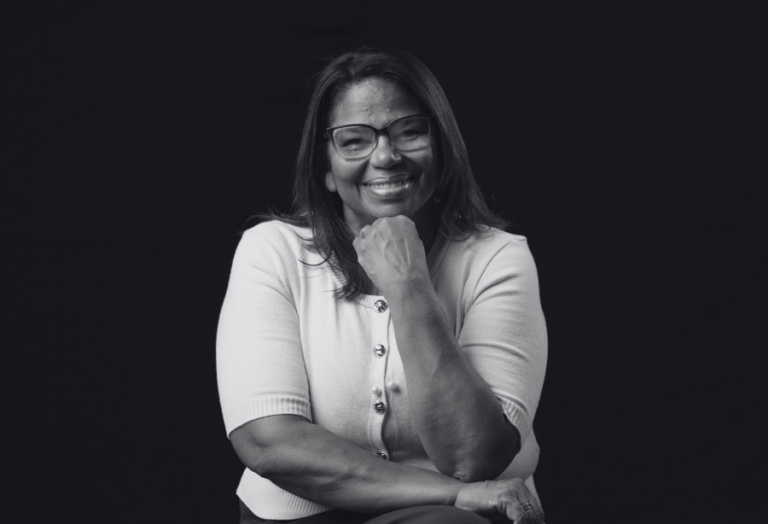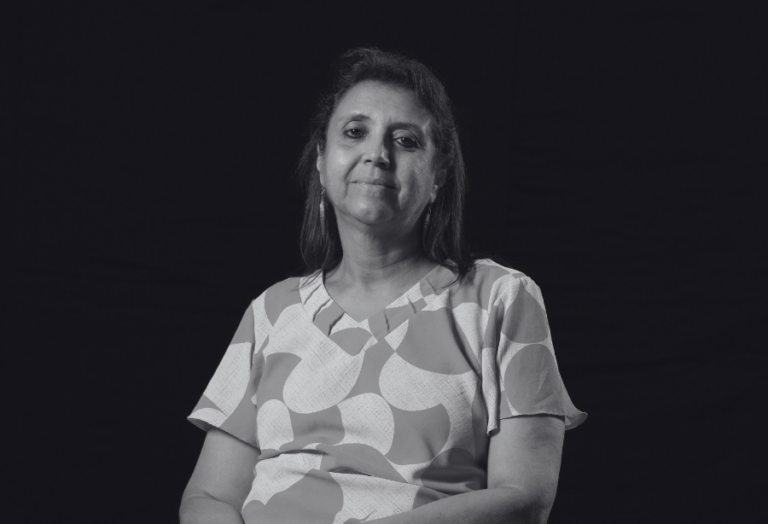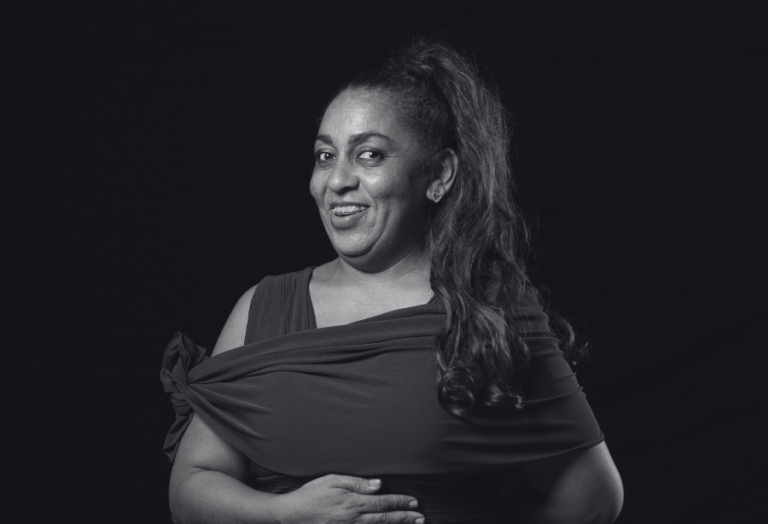
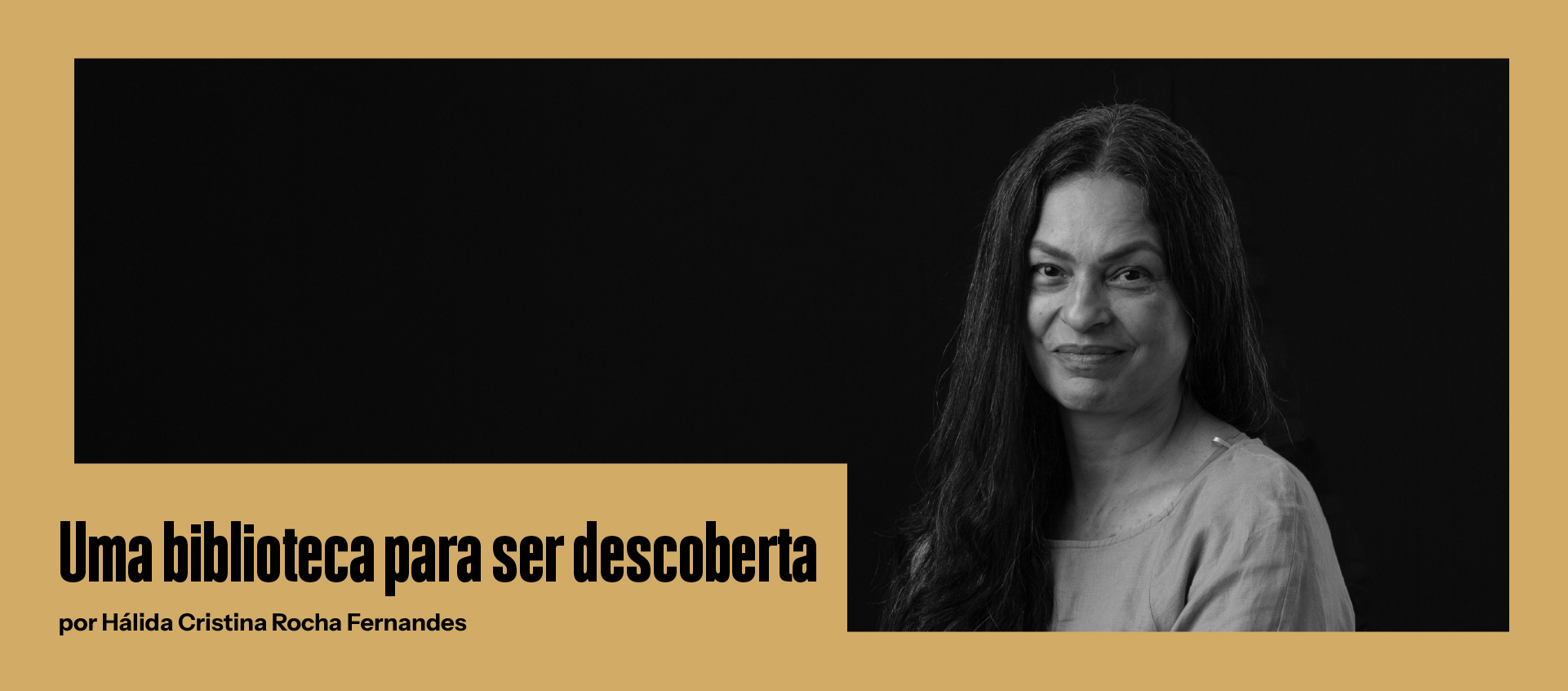
I think that everything we experience can, in some way, be put to good use.
I was born in Belo Horizonte, but I lived in Acesita, Minas Gerais, and came to São Paulo when I was still a child. My father was an engineer at Furnas and needed to live near the power substation. Therefore, when we came to São Paulo, we lived in the Furnas Residential Village, which was quite far from the city and located in the city's green belt, surrounded by vegetable gardens, pine trees, and eucalyptus trees.
My parents invested heavily in our education and provided us, from an early age, with regular and varied experiences related to physical activity, sports, music, and culture. My first readings were primers. Lili's Book, used for literacy in Minas Gerais, and the primer Gentle Way, employed in São Paulo. My first little book was Camilinha in the Land of Colors. When I went to high school, my father bought the Barsa and Life Illustrated encyclopedias for me to do the research that the school required.
At the time, he and my mother visited several schools in São Paulo until they chose one whose teaching system they liked. They wanted the school to stimulate us intellectually and promote our curiosity for research. My father liked classical music, opera, Latin American music, and Brazilian popular music (MPB). He was quite eclectic. And I liked to dance while he listened to music (laughs). He encouraged us a lot with cultural and sporting activities, learning languages, musical instruments, and general interests, so I had a full schedule from a young age.
But the path to Library Science was longer than expected.
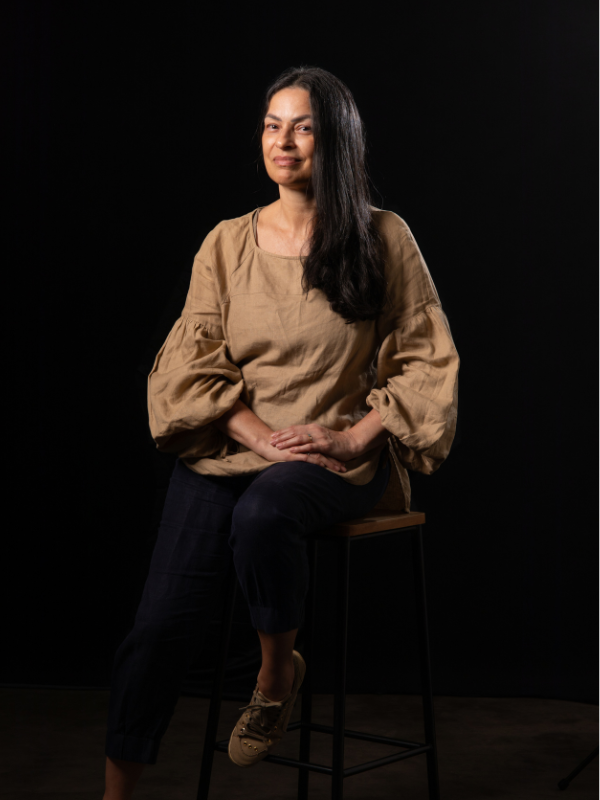
I enjoyed science in school, which is perhaps why I considered studying medicine. I even went to university. When my younger sister was about to take the entrance exam, she brought me the Fuvest (University of São Paulo entrance exam) handbook because I was missing studying and we thought about taking the exam together. I didn't want to be a doctor because I was already married and had young daughters. I wanted to spend more time with them. So, I looked through the Fuvest handbook and found the Library Science course.
Somehow, my experience with Medicine made sense when choosing to study Library Science. I enjoyed research for diagnosis, discovering the causes of illnesses. The patient's medical history is the moment when you try to understand what is happening. In Library Science, there are search logics. Knowing how the search system is structured allows you to develop search strategies to discover information. It's not about discovering the cause of a disease, but, in my mind, there was something similar in this investigative process.
I started the course and really enjoyed it. I heard some classmates saying, "I don't like making index cards," "I don't like cataloging." And I thought, "Wow, I like everything!".
I think I've found my way.
In college, I got involved in many projects and internships. While still a student, I worked at an NGO, SOF (Sempreviva Feminist Organization), and I also started a scientific initiation program at the Faculty of Public Health (FSP-USP).
After my scientific initiation, I ended up continuing at FSP as a non-tenured staff member. I worked with direct user support, cataloging, online theses, and training. I was very shy, and teaching was terrible for me at first. But someone told me: "You are the person who knows the most about the subject you will be teaching there." That made sense to me, I started giving training sessions and ended up enjoying it as well. In cataloging, I had an aptitude for indexing because the technical nomenclature of the area was still very fresh in my mind, and that was enjoyable.
I worked for many years in the FSP library and in the health field, with quite advanced networks and technologies. I learned a lot during that time. When I moved into management, my intention was to develop the skills related to the new position and I tried to implement some procedures that I already knew.
I arrived at the Museum about three years ago and, little by little, I got to know the Library, the space, the people, and the collection. And the Museum really won me over. I feel very good here. I really enjoy working here. I'm quite motivated. I have the impression that people are truly dedicated. Everyone is working to make things happen, they care about their audience.
In my personal experience, each community has a collective profile; people develop certain behaviors and end up adapting to the culture that exists in that environment. Libraries are immersed in communities, and although they work in a similar way, the people who work in each place act according to the organizational culture of the institution they serve. All the libraries at USP (University of São Paulo) where I've worked – those of the Faculty of Law, Public Health, Economics, Administration, Accounting and Actuarial Science, and now the Museum – are very different. And it's not about the way of working in the library. The audiences are distinct, as are the service and work environments.
In a graduate library, there are many copies of the same titles. Students come, borrow books, study for exams, and the library gets crowded at certain times. There is a very high flow of people. Here, researchers can use the library at any time of year, and they are usually specialized researchers, such as postdoctoral fellows, doctoral students, and professors from different states.
The research projects that have most impacted me are precisely those in which I realized the importance of the collection being available to people looking for something very specific. We have, for example, a collection that served a researcher from Bahia who was studying squares in Bahian cities.
We also received a visit from a priest from the Monastery of São Bento who came to consult a CD from the 1980s. I had to ask the IT department to install a virtual machine with Windows 3.1 so that we could access the material. He said that he had only found that work here. There was no other copy available anywhere else in Brazil. He had found a reference, and we were the only institution that possessed the material.
I was very proud of that.
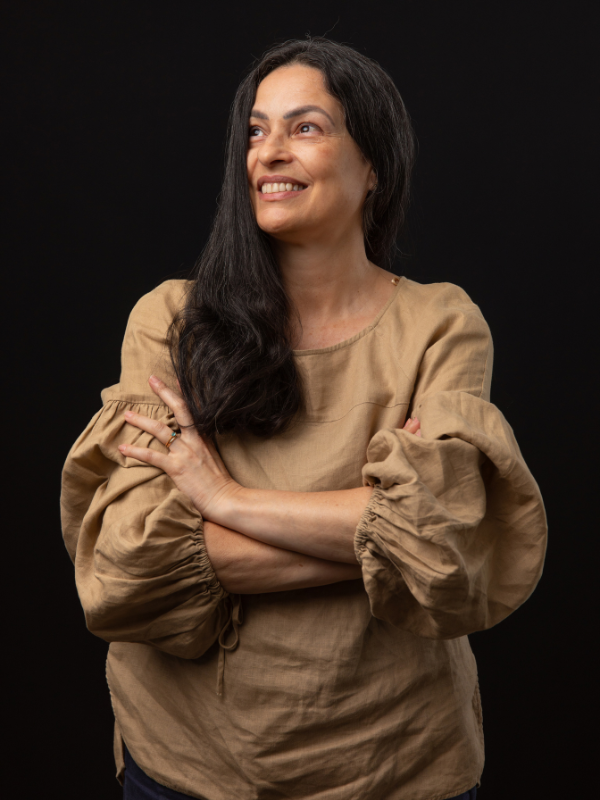
There is still much of interest to catalog. I think that, as we move forward, we will discover important materials in other areas as well. In addition to the external public, there is also the internal public of the Museum, which makes extensive use of the collection on a daily basis. The conservation teams, for example, use the books to identify materials. There are works on medals that are frequently consulted and then returned. These are materials that are part of the daily work, research and consultation tools.
We also have a lot of material on textiles, because we had a very renowned expert in that area who has since retired., And the collection that she recommended for purchase over the years remained with us.. We are addressing and organizing everything to facilitate access and let people know what we have.
It's very interesting when you look at a collection and realize a person's life story. A personal library isn't just a collection of books. There are choices, interests, and research paths. Through the dedications, you discover that people knew each other, that they were friends, that they admired one another. It's very interesting to imagine these relationships.
We also have the library's inventory books, in which our first librarian, Andreas Dó, manually recorded the materials using iron gall ink. These are two enormous volumes that document the development of the library's collection.
There are also curious stories in the old library reports. In 1918, for example, a classification system widely used in Library Science, the Dewey Decimal Classification, was adopted. At the time, it was a novelty. It was an innovation!
Previously, books were organized chronologically. A new publication would arrive and be placed next to the previous one, receiving a number. The problem is that, in a collection organized in this way, subjects and authors become scattered. With the Dewey Decimal Classification, it's possible to organize the collection by grouping subjects and authors, and even chronologically by date. All at the same time.
And they did it without Google, without the internet.
They found the publication and brought it to Brazil. The edition we use has four volumes. He started implementing the system and, in addition to cataloging the new materials, he had to reclassify the entire collection. I was very surprised to learn that the Library adopted such a new technology for the time.
Today, the relationship between Library Science, technology, and new media remains an important issue. I am neither alarmist nor pessimistic. I simply wish people had a clearer understanding of these technologies.
When Google first came along, I remember many people saying, "Now we'll find everything on Google." Librarians have used Google since the beginning. But not necessarily to answer the questions that need answering. We use it as a tool to verify data, information, and sources.
With artificial intelligence, I think we're taking a few steps backward. It offers a ready-made summary, but you don't know exactly where that information came from. Sometimes references appear, but they don't necessarily cover everything you would need to consult in an in-depth search.
And there's another problem: artificial intelligence learns from what's already available on the internet. If there's an error or fabricated information, it can end up being incorporated into the system and reproduced again. So, we can become increasingly less able to simply accept an AI response as true.
What is in a book, on the other hand, can be criticized. We understand that there may have been different perspectives and distinct understandings. But the book is there. You can discover new interpretations, but the physical record continues to document the facts described. The cloud can be edited, restricted, or access to the information can simply be withdrawn.
My dream is to see the library in a suitable space, with appropriate environmental conditions, with the collection open and accessible for the public to browse among the shelves. Today, we work by appointment and our collection is closed. This means that scheduling a visit is required, as well as providing the references of the materials you wish to consult so that we can reserve them, since the collection is on sliding shelves in rooms closed to the public, although we serve the general public without restrictions.
I would also like to reach other audiences, spark interest and generate curiosity in other social actors. To promote research-related activities, work in partnership with the Museum's Education area, teachers and researchers to promote events, training and debates, and increasingly integrate the Library with the Museum.
In the future, I want more people to get to know the Library and for it to serve the community better and better. Because part of a library's objectives is to develop interest and knowledge, especially in the area where it is located.
I hope that this Library will be a social technology tool and that it will receive recognition for its performance and the efforts of all the teams in our institution.