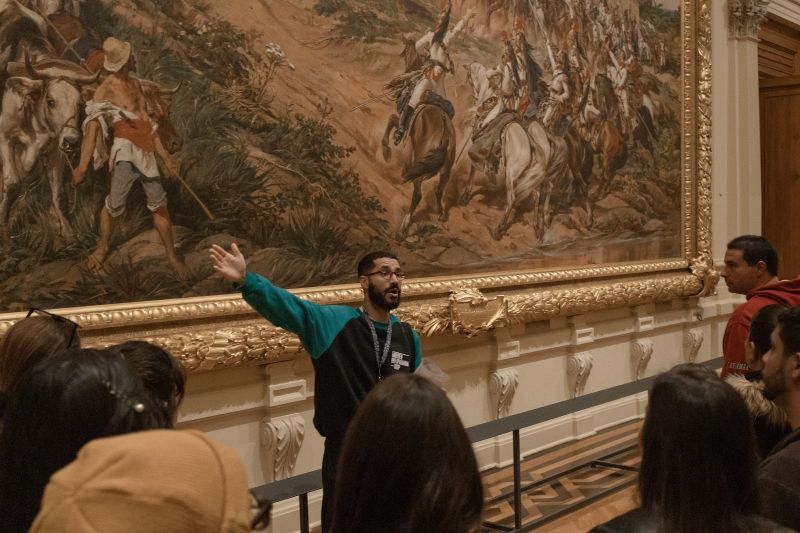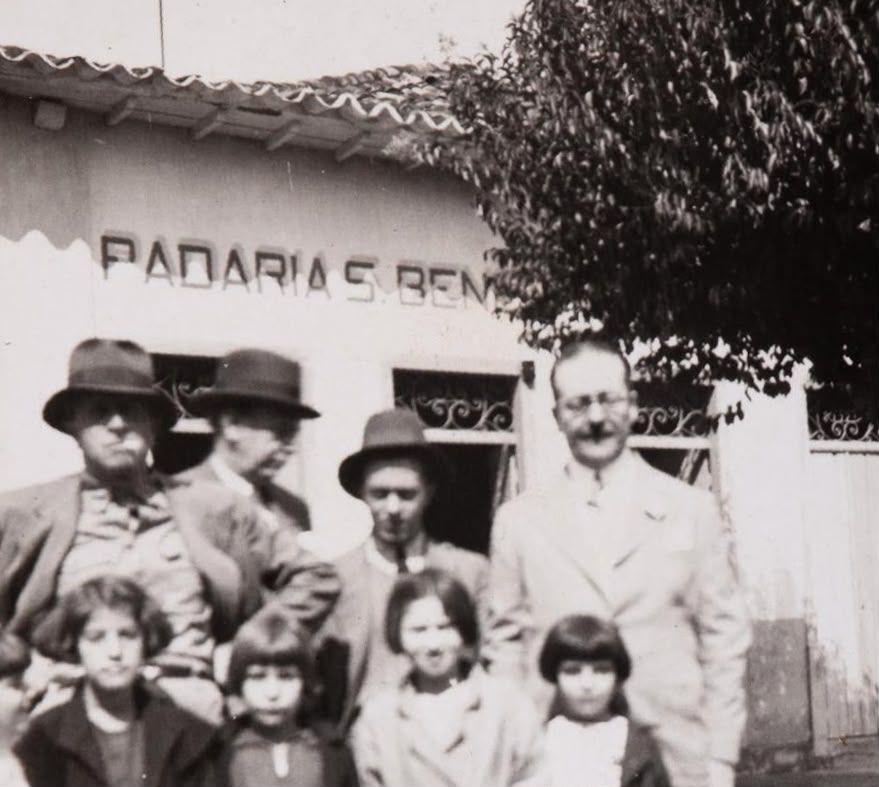

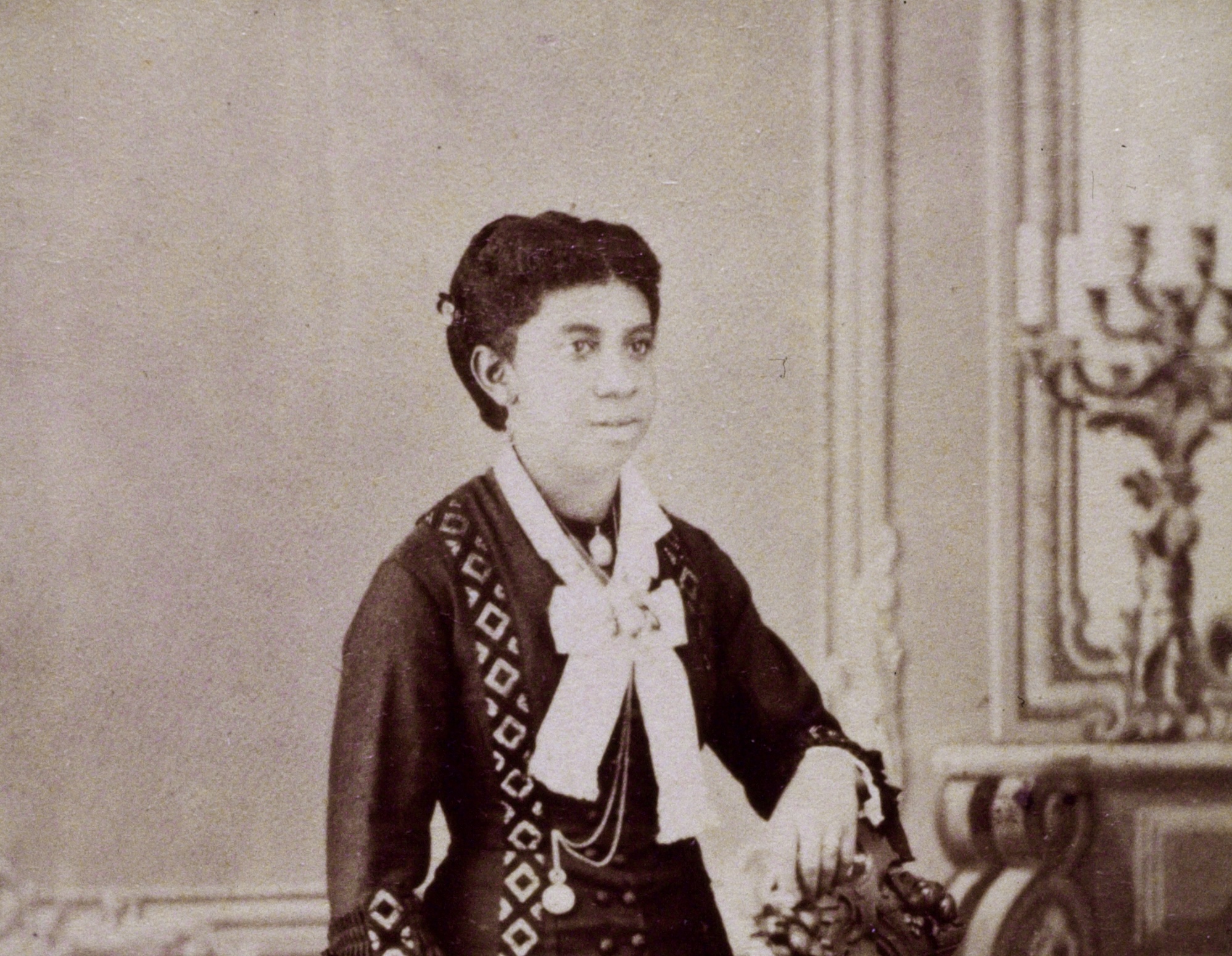
The lecture Keys in the kitchens, chatelaines On the streets: women's power and resistance between domestic work and public life. is part of the 2026 program of Meeting with Research, held by the Paulista Museum of USP. The presentation will be given by the historian and researcher Viviane Soares Aguiar. In her lecture, she analyzes objects and photographs from the Museum's collection to investigate the experiences of women between domestic life and the public spaces of São Paulo.
The activity will focus on chatelaines, Ornaments attached to the waist of skirts and dresses, very popular between the second half of the 19th century and the beginning of the 20th century. From them hung chains with keys, watches, scissors, thimbles, pencils, and other small utensils. Some were made of gold and precious stones. Others used simpler materials, such as ropes and fabrics.
As women carried these objects through the streets, they brought symbols to public spaces that were linked to the roles they played within the home. Among them were the so-called pantry keys, which allowed them to control access to the place where food was stored. More than just opening and closing doors, these keys could represent authority in the administration of the household.
The lecture discusses, using portraits of women from the Militão Augusto de Azevedo Collection and examples of chatelaines preserved by the Museu Paulista, how keys and chatelaines were part of the power relations between housewives and domestic workers, white and black women, rich and poor.
Viviane Soares Aguiar is a postdoctoral researcher at the Museu Paulista of USP, and holds a master's and doctorate in Social History from USP. She was an associate researcher for the long-term exhibition. Homes and Things She is the coordinator of the Research and Reference Center at Casa Mário de Andrade. She is a guest lecturer in the postgraduate program in Gastronomy: History and Culture at Senac-SP, and the author of the book "Cozinha caipira, cozinha esqueceda" (Country Cuisine, Forgotten Cuisine). Her doctoral thesis received second place in the USP Social History Prize.
This meeting is part of the second year of the "Encounter with Research" cycle, coordinated by Ana Paula Nascimento, a professor at the Museu Paulista. The activity features lectures by researchers who share investigations developed from the Museum's collections and reflect on the role of research in the construction of historical narratives.
In-person lecture
Date: August 29th, Saturday
Time: from 2 PM to 6 PM
Duration: 4 hours
Job openings: 200 people
Target audience: students, teachers and educators from secondary and higher education systems, museum professionals and the general public
Location: Auditorium of the Ipiranga Museum
Accessibility: sign language interpreter
Free registration: from July 29th to August 26th at this link