
Online course
Dates: November 6th and 7th (Wednesday and Thursday)
Time: from 6pm to 9pm
Workload: 6h
Job openings: 500
Location: The course will be held in a virtual environment, through the Ipiranga Museum's profile on the YouTube platform.
Free registration: From October 14th to November 1st in this link. Professors and students must complete the registration form at the provided link and send a copy of their institutional affiliation document via email to: apoioacadmp@usp.br.
Information: e-mail: suporteacadmp@usp.br, tels. (11) 2065-8075/6644
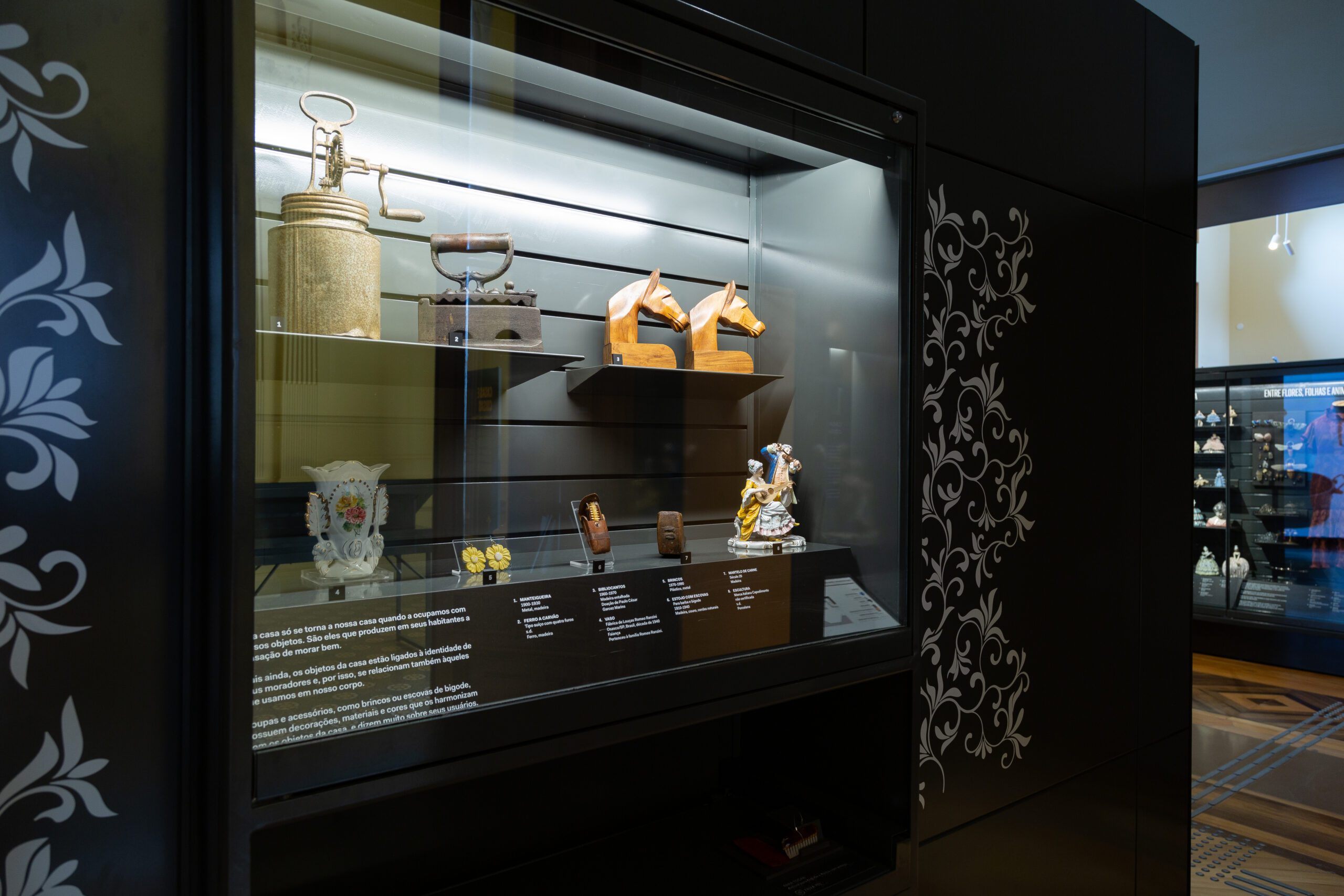
Since the 18th century, the objects that fill homes around the world have shaped identities, behaviors, and even gender relations. Each piece of furniture, each kitchen utensil, tells a part of this silent narrative. In the course "Houses and Things," offered by the Ipiranga Museum, we will explore how these objects have been protagonists in the construction of female and male subjectivities throughout the centuries.
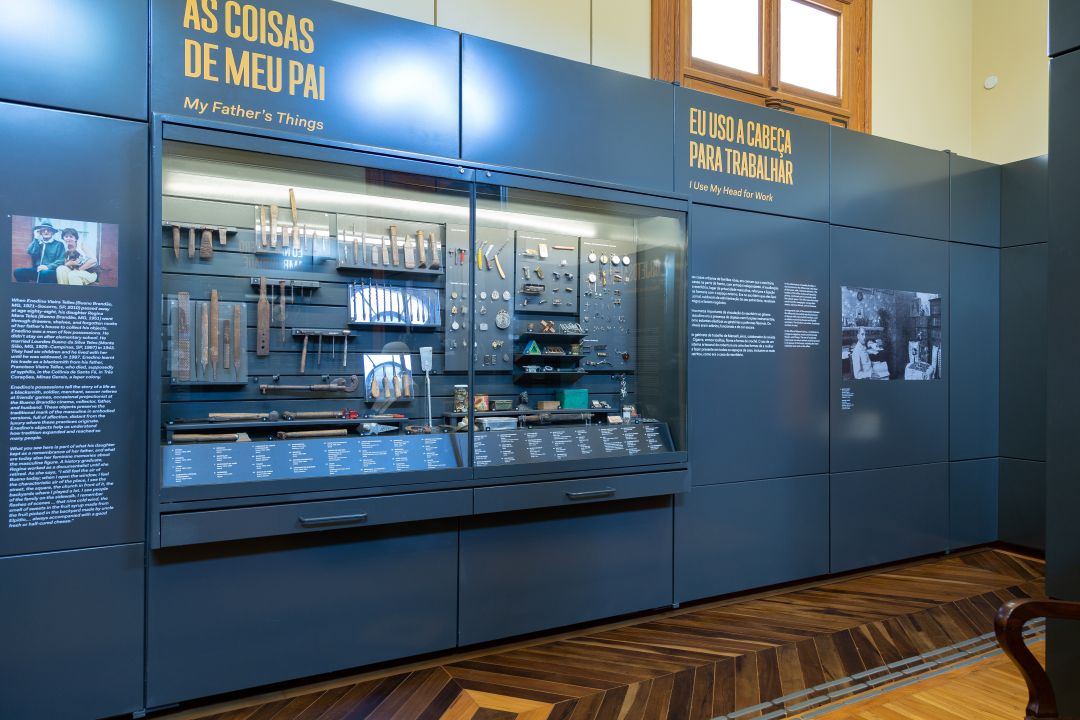
The classes will discuss how the organization of domestic space, decorating choices, artifacts, and home spaces reflect and produce gender differences. The course will also address exhibition design and three-dimensional narrative, offering an in-depth look at the curatorial process and the theoretical discussions that underpin the exhibition.
This course offers an opportunity to broaden your understanding of the relationship between material culture, gender, and the construction of identities in the domestic sphere throughout the centuries.
Classes will be held remotely and streamed live. To receive the certificate, students must sign the attendance sheet on both days of the course.
Presenters: Vânia Carneiro de Carvalho, Viviane Soares Aguiar and Laura Stocco Felicio
Program:
1. The importance of material culture in studies on modern domestic space.
2. The modern house and the production of subjectivities
3. The role of decoration and functional objects in the production of gender differences.
4. The museographic concept of the exhibition Houses and Things
5. The Work and Happiness Room as a product and producer of academic-museological research.
6. Is the kitchen your place? Uses of artifacts and technologies and the production of female identities.
7. Female Subjectivities, Recipe Books, and the Powers of the Pantry
8. Modern cuisine and technological disputes