
In-person lecture
Date: March 22 (Saturday)
Time: from 2 PM to 6 PM
Workload: 4h
Job openings: 200
Location: Auditorium of the Ipiranga Museum
Free registration: Until 17/03 in this link.
What can clothes tell us about history? Much more than they seem. At the meeting Interpreting objects: fashion, intimacy, gender, and history., In this series, a pair of speakers delve into the world of fashion to understand how clothing has helped shape social norms, express individuality, and challenge gender conventions.
Guilherme Domingues Gonçales offers a perspective on the adoption of traditionally masculine garments – such as suits, vests, and ties – by women between 1851 and 1911. Based on the analysis of newspapers and photographs from the period, the study reflects on which women adopted this fashion, in what contexts, and what meanings this choice carried. The lecture will address the impacts of these garments on the social and bodily dynamics of the time, revealing how clothing can function as a marker of cultural transformations and challenges to gender norms.
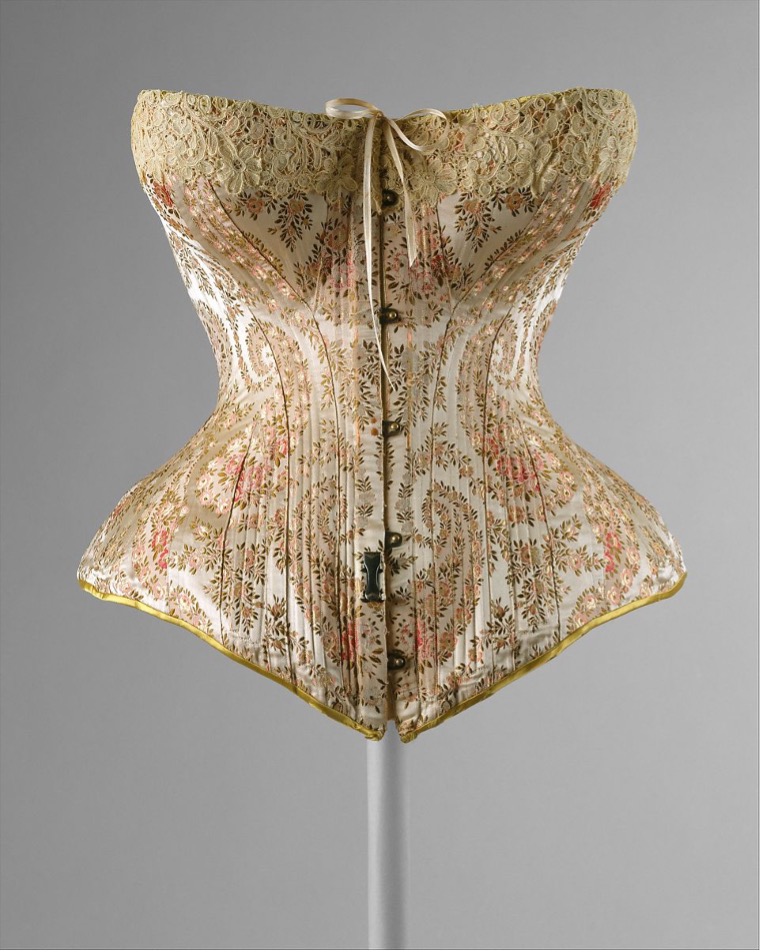
Priscila Nina Ferreira presents her research on the use of the corset in Brazil between 1889 and 1929. The study investigates the role of this garment in the construction of femininity and bourgeois intimacy in Brazil at the turn of the 19th to the 20th century. More than just an item of clothing, the corset was present on women's bodies, in shop windows, in advertisements, and in artistic representations, reflecting the transformations of modern society. The lecture discusses how this artifact was an active agent in defining the boundaries between public and private, in the ritualization of daily life, and in the normalization of female bodies.
This lecture is part of the "Encounter with Research" series, an initiative of the Museu Paulista at USP (University of São Paulo) to bring the public closer to the research conducted using its collections. Throughout 2025, 12 monthly meetings will be held, always on Saturdays, covering a variety of topics and new perspectives on history and material culture.