
In-person lecture
Date: July 19th (Saturday)
Time: from 2 PM to 6 PM
Workload: 4h
Job openings: 200
Location: Auditorium of the Ipiranga Museum
Accessibility: sign language interpreter
Free registration: from June 30th to July 16th in this link [DEADLINE EXTENDED]
Throughout the 19th and 20th centuries, the urban transformations of São Paulo not only modified the city's landscape but also profoundly redefined the practices of social interaction within São Paulo homes. In the lecture "Sociabilities in the São Paulo Domestic Space between the 19th and 20th Centuries," historians Rafaela Basso and Laura Stocco Felicio present an overview of how urban changes influenced new forms of sociability in the domestic environment.
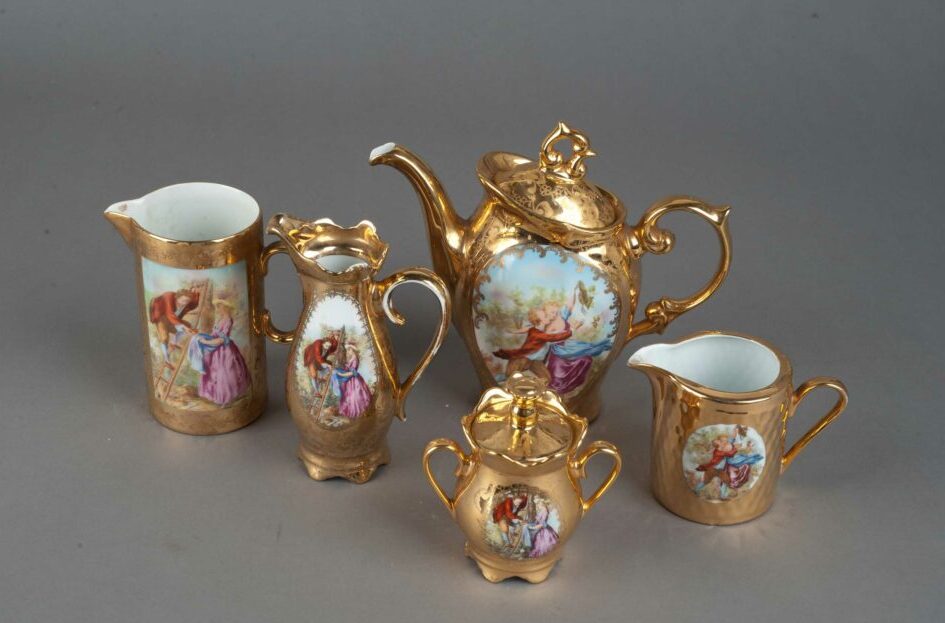
The first part of the presentation, led by Rafaela Basso, delves into the hospitality practices among the São Paulo elites of the first half of the 19th century, with particular attention to the sharing of meals as a social ritual. The city's growth and the arrival of new inhabitants favored the consolidation of an urban elite that incorporated European customs, valuing the "arts of hospitality" as a form of social distinction.
Through diverse sources, including the three-dimensional collection of the Museu Paulista, inventories, travelogues, and press reports, the research reveals a society with sophisticated consumption practices, deconstructing the image of poverty and monotony that for a long time characterized studies on 19th-century São Paulo.
In the second part, Laura Stocco Felicio examines the changes in forms of domestic sociability at the beginning of the 20th century. Using advertisements, women's magazines, and manuals from the period, she investigates how urban and technological modernization redefined the domestic environment as a space for conviviality and social distinction. The "modern kitchen" emerges as a symbol of comfort, hygiene, and rationality, while simultaneously making women's work invisible and reinforcing an idealized family identity.
This activity is the result of research carried out by historians at the Museu Paulista of USP (University of São Paulo) and highlights the richness of the institution's collection for studies on history and material culture.
This event is part of the "Encounter with Research" cycle, an initiative of the Museu Paulista of USP that promotes monthly meetings throughout 2025, always on Saturdays, bringing the public closer to studies carried out using its collections.