In-person lecture
Date: August 30th (Saturday)
Time: from 2 PM to 6 PM
Workload: 4h
Job openings: 200
Location: Auditorium of the Ipiranga Museum
Accessibility: sign language interpreter
Free registration: from 7/21 to 8/20 in this link
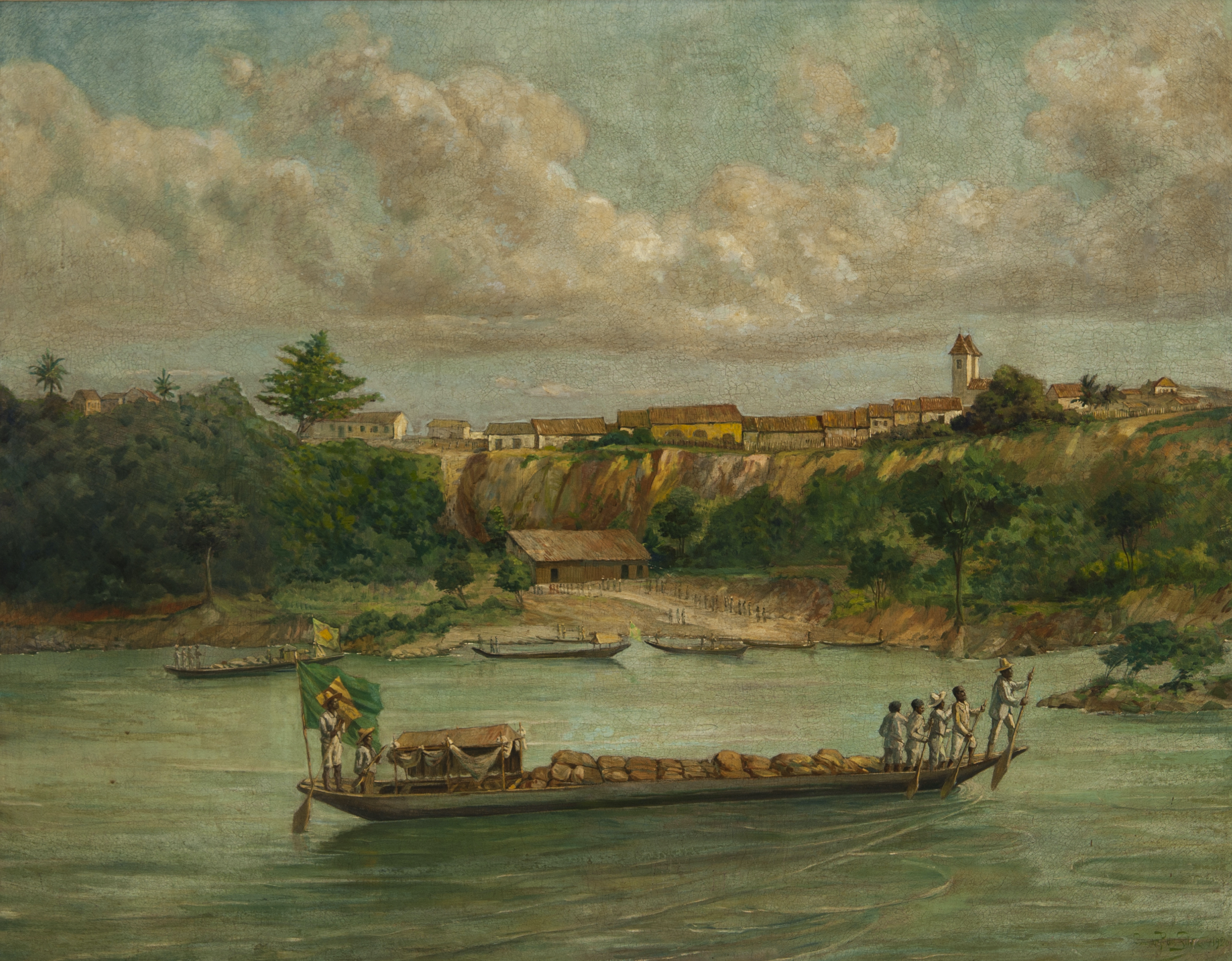
The Paulista river expeditions became much more than simple commercial expeditions: they were historical phenomena that revealed complex relationships between society, nature, and written culture in colonial Brazil. In the lecture "The River Expeditions Revisited: Written Culture, Materiality, and Environmental History," researchers Jean Gomes de Souza and João Carlos Cândido Santos present an overview of these river expeditions that connected Porto Feliz to Cuiabá, mainly throughout the 18th century and the first decades of the 19th.
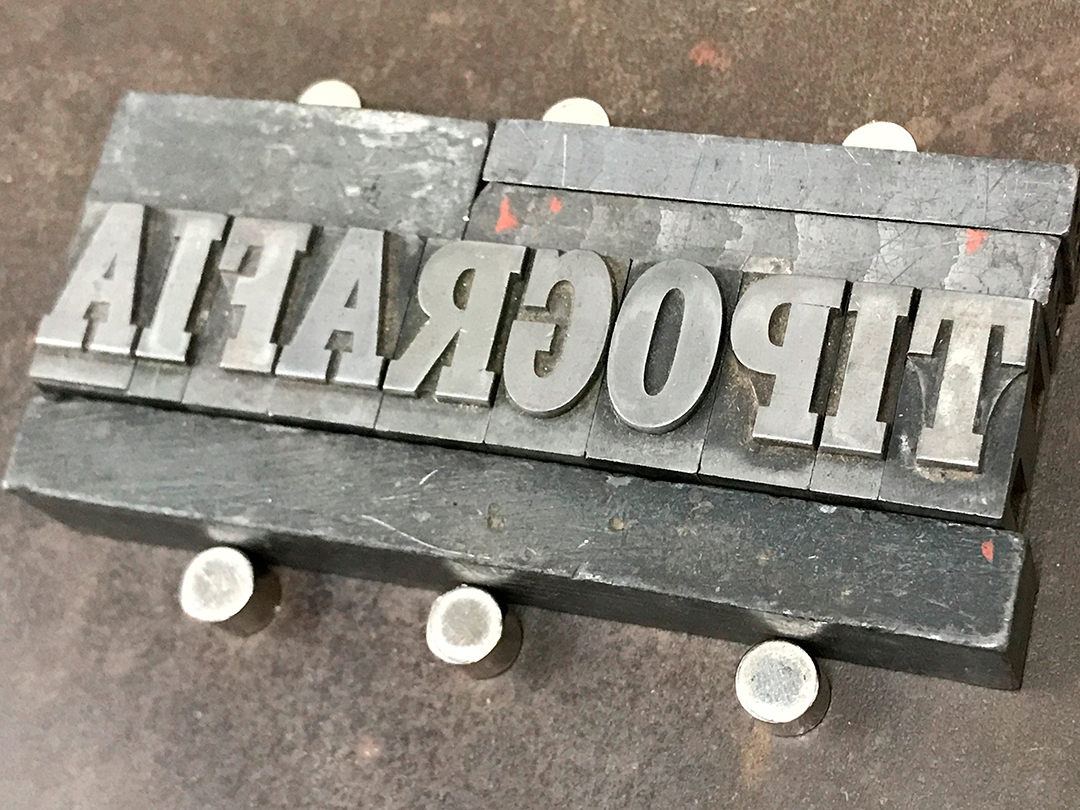
Based on the analysis of historical documents and iconographic sources, the first part of the presentation, conducted by doctoral candidate Jean Gomes de Souza, traces the social biography of the earliest known written accounts of the monsoon expeditions. His research investigates the production, circulation, editing, and reading of the “Noticias Practicas das Minas do Cuyabâ, e Guyazes Na capitania de São Paulo” (Practical News of the Mines of Cuiabá and Guyazes in the Captaincy of São Paulo), understanding how different individuals interacted with this textual collection over 300 years. In addition to documenting the expeditions, these texts also preserve memories and knowledge about the Brazilian territory.
In the second part, Professor João Carlos Cândido Santos addresses the interactions between people and plants during river journeys, revealing how the populations involved in these expeditions related to the flora along the way. Through the analysis of textual, iconographic, and biological sources, his research highlights how nature transformed from a physical element into a "social actor," essential for understanding the river expeditions and the complex relationships between society and the environment in colonial history.
This activity is the result of research developed by historians during their master's degrees and highlights the relevance of the collection of the Museu Paulista at USP for studies on colonial history, material culture, and environmental history.
This event is part of the "Encounter with Research" cycle, an initiative of the Museu Paulista of USP that promotes monthly meetings throughout 2025, always on Saturdays, bringing the public closer to studies carried out using its collections.