




Ipiranga Museum

EXHIBITIONS
past

temporary exposure

Debret in question - contemporary perspectives

From 11/25/2025 to 05/17/2026
From Tuesday to Sunday, from 10 am to 5 pm (staying allowed until 5:30 pm). 
Temporary exhibition hall
Free admission – for this exhibition only.

By contrasting the 19th century (1801-1900) and the 21st century (2001-2100), France and Brazil, historical painting and the new media that characterize current artistic production, Debret in question – contemporary perspectives revisits the painter's legacy, especially the work Pictoresque voyage and history in Brazil [A picturesque and historical journey to Brazil], from the perspective of a vibrant generation of artists currently working in the country.

The exhibition, curated by Jacques Leenhardt and Gabriela Longman, is part of the France-Brazil Season 2025, which celebrates 200 years of diplomatic relations between the two countries. A more concise version was presented at the Maison de l'Amérique Latine in Paris between April and October 2025.

The exhibition catalog is available for purchase at the Edusp Bookstore, located in the reception area of the Ipiranga Museum.

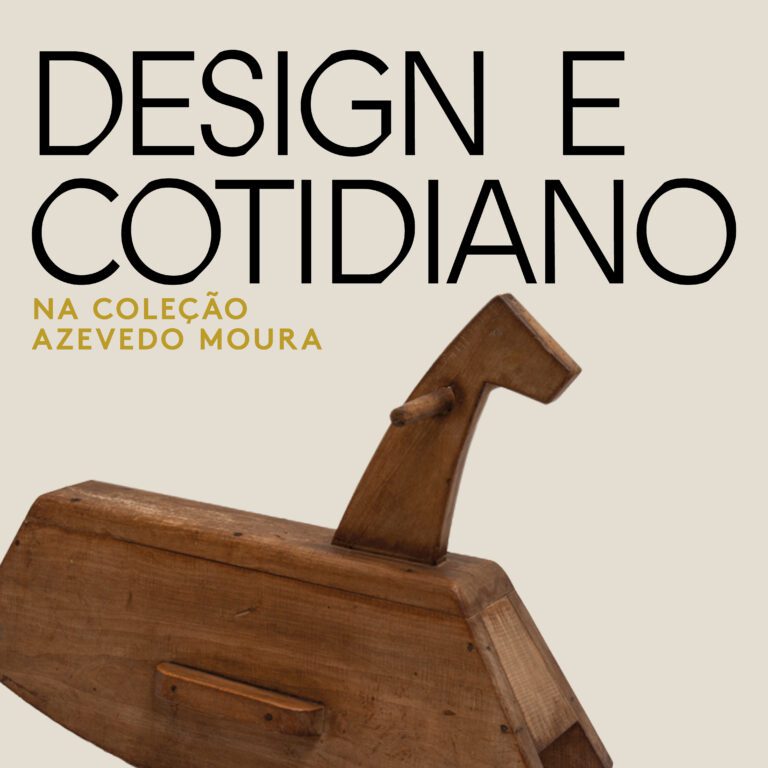
Design and everyday life in the Azevedo Moura collection.

From 05/27/2025 to 09/28/2025
From Tuesday to Sunday, from 10 am to 5 pm (staying allowed until 5:30 pm). 
Temporary exhibition hall
Free admission – for this exhibition only.

The exhibition Design and everyday life in the Azevedo Moura Collection, The exhibition, curated by Adélia Borges, presents an extensive collection of objects, especially those collected in Rio Grande do Sul, which allow for reflection on the traditionally exclusionary ways of thinking about Brazil's past. Brought together by the sensitive eye of the couple Maria Cristina and Carlos Azevedo Moura, these objects form one of the largest Brazilian collections relating to the immigration of Italians and Germans who arrived in the South of the country from the 19th century onwards.

The collection was compiled by the couple over many years and includes thousands of items. These include furniture, household utensils, tools, and photographs that help us understand how a collection represents the daily lives of these people as they built a new life in Brazil.

WHERE THERE'S SMOKE

ART AND CLIMATE EMERGENCY

From 5/11/24 to 4/3/2025
Tuesday to Sunday, 10am to 5pm. Last admission: 4pm.
Temporary exhibition hall
Free admission (for this exhibition only).

Eyes burn, throats dry up, nostrils sting, and lungs suffocate. Human life is at risk. The path once considered necessary for a better world is now challenged by wildfires, floods, high and low temperatures, and dry air. This exhibition It questions the still-predominant idea of progress, which generates the current climate emergency.

Under the curatorship of Micrópolis, a group formed by architects and researchers Felipe Carnevalli, Marcela Rosenburg, and Vítor Lagoeiro, the historical collection of the Museu Paulista engages in dialogue with works by contemporary artists, highlighting The process of environmental and social degradation over time.

Paintings and photographs by masters such as Benedito Calixto and Henrique Manzo are in dialogue with works by artists Alice Lara, André Vargas, Assentamento Terra Vista, Bruno Novelli, Davi de Jesus do Nascimento, Ed Hawkins, Eduardo Góes Neves, Grupo de Artes Dyroá Bayá, Jaime Lauriano, Luana Vitra, Mabe Bethônico, Márcio Verá Mirim, Hãmhi Terra Viva, Redes da Maré, Roberta Carvalho, (Se)cura humana, Uýra Sodoma, and Xadalu Tupã Jekupé. This juxtaposition proposes reflections on how the colonization of the territory and the construction of the nation are based on the idea of civilization versus barbarism, of possible culture versus impossible nature.
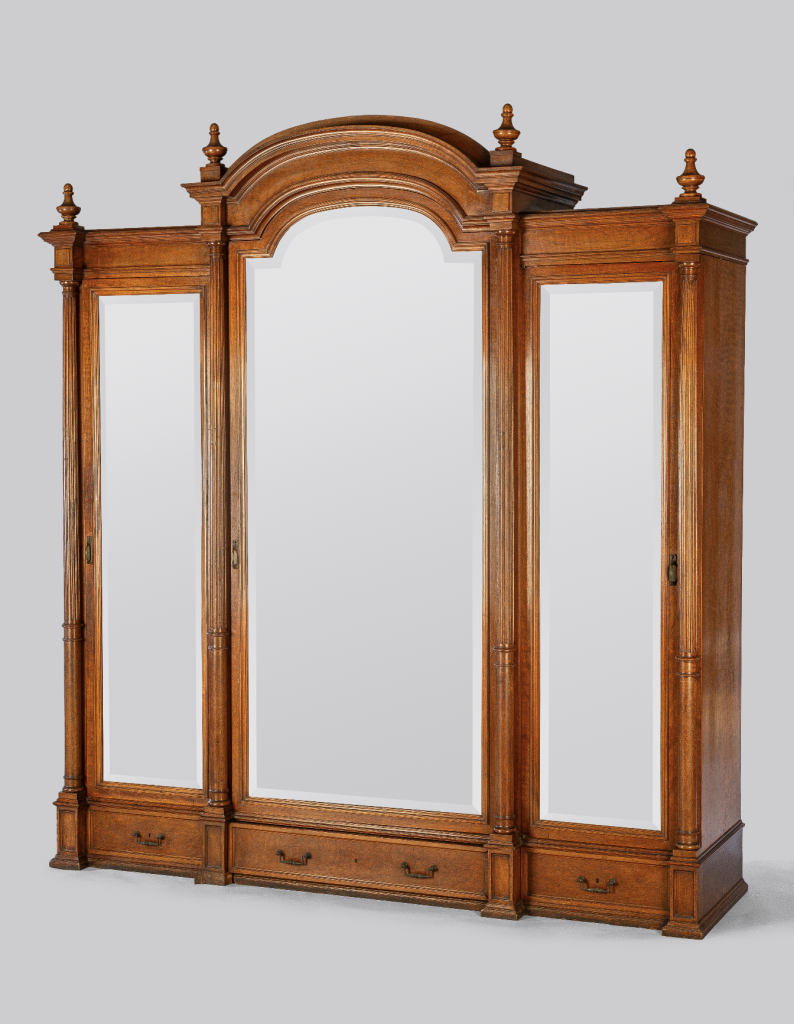

Wardrobe that belonged to Santos Dumont.
Collection of the Paulista Museum of USP.
Photo: José Rosael

Sit • Store • Sleep

Brazilian House Museum and Paulista Museum in dialogue

From 11/6 to 29/9/24

This exhibition brought together furniture that represents the diversity of solutions used throughout history for three everyday human actions: sitting, storing, and sleeping.

On display were benches, chairs, sofas, boxes, chests of drawers, desks, wardrobes, hammocks, mats, and beds that document both the lives of the people who used them and those who produced them.

The pieces brought into dialogue the collections of the Museu da Casa Brasileira, created in 1970 to record and exhibit different ways of living, and the Museu Paulista, focused on the study of objects and images that document Brazilian society.

They also highlighted the cultural and social diversity we experience, encompassing indigenous, Portuguese, and Afro-Brazilian heritages, as well as those linked to the various immigrations and migrations that have marked our history.

In a conversation with the public, the exhibition curators explored these issues in more detail. Check it out: 

Premium WordPress plugins