The guided tour Indigenous representations in dialogue This activity proposes a critical reading of the representations of indigenous peoples present in the Museum's exhibitions, linking them to historiographical and anthropological research, indigenous narratives, and contemporary works by native artists. The activity seeks to highlight the tensions between different ways of narrating history, emphasizing the limitations and silences inherent in traditional narratives.
Throughout the itinerary, images produced primarily by non-Indigenous people, especially in the early 20th century, are analyzed, contextualizing their production processes and their links to political and cultural projects of the time. The visit problematizes these representations by discussing concepts such as enticing colonialism and authoritarian colonialism, as well as highlighting the role of these images in constructing a historical memory that often romanticizes colonial relations and erases conflicts, violence, and resistance.
The activity also highlights the absence of Indigenous voices in the collections of the Museu Paulista, proposing reflections on the institutional processes that contributed to this erasure. Among these is the transfer of ethnographic collections to the Museum of Archaeology and Ethnology of USP in 1989, which resulted in the predominance of representations produced by non-Indigenous people in the collection currently on display. Based on this context, the visit discusses the criteria for the formation of collections and the contemporary possibilities for revising these practices.
By establishing dialogues with works by contemporary Indigenous artists, such as Moara Tupinambá and Xadalu Tupã Jekupé, the visit presents counterpoints to established historical narratives, highlighting continuities between past and present. These artistic productions challenge concepts such as "discovery" and "civilization," proposing critical reinterpretations that emphasize the violence of colonization and the persistence of territorial and symbolic disputes.
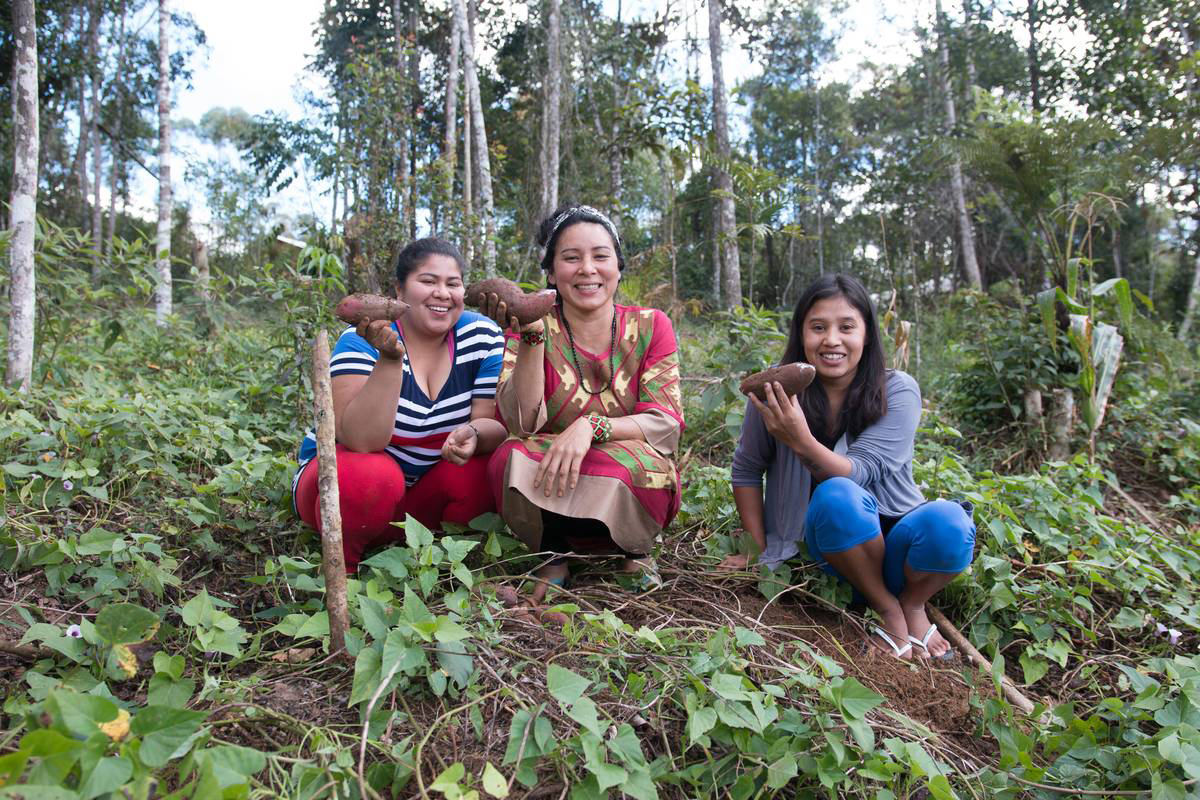
The reflection expands when addressing the indigenous presence in the city of São Paulo, both in the past and present, questioning the idea of the disappearance of these peoples. The activity highlights the contemporary existence of indigenous territories and discusses historical processes of erasure, such as urbanization projects and identity construction that have rendered the ethnic and cultural diversity of the region invisible over time.
Throughout the journey, topics such as the role of indigenous women in alliances and resistance, the enslavement of indigenous people associated with the bandeirantes (Brazilian explorers/slave hunters), the construction of heroic images in the Paulista (São Paulo) imagination, and the diversity of native peoples are also discussed, contrasting the idea of homogeneity frequently present in historical narratives.
Guided tours
Dates and Times:
- Portuguese: Saturdays and Sundays in April | 2 PM
Meeting point (Portuguese): Lobby, next to the Staircase.
Tickets available for pickup at 1:50 PM. - Sign Language: April 12 and 26 (Sunday) | 2:30 PM
Meeting point: Reception, next to the ticket office.
Ticket collection at 2:20 PM.
Duration: 1 hour
Job openings: 20 people per visit
Free activity, by obtaining a ticket for access to the Museum.