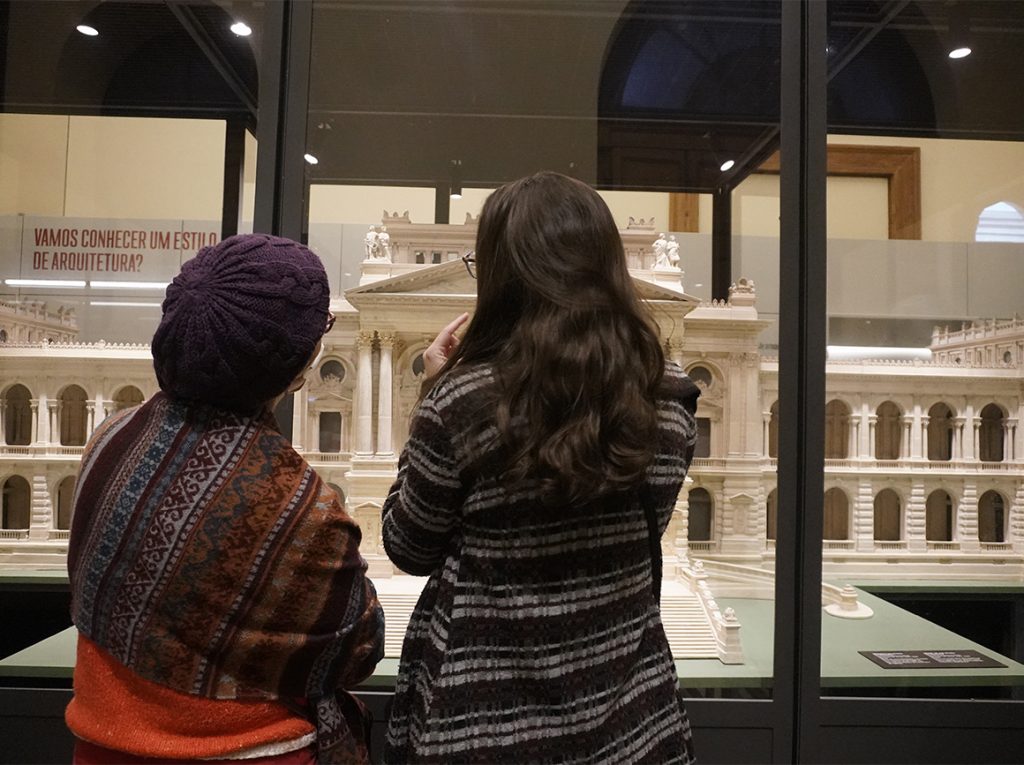
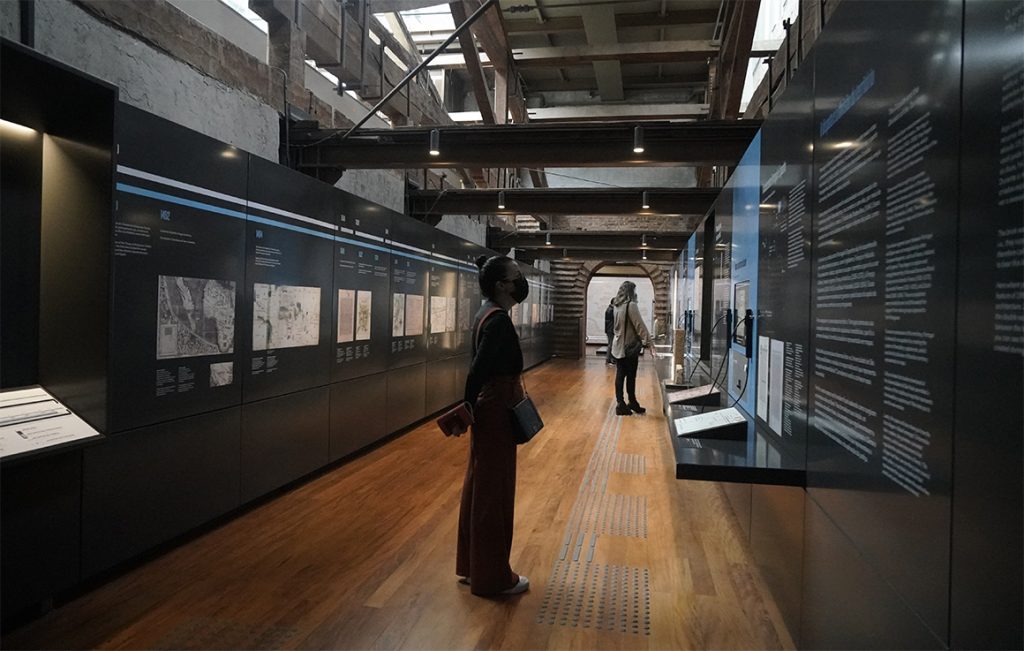
This exhibition addresses two main themes: the construction of the monument-building and the transformations of its collection throughout its history. When it was created, the Museum had varied collections of botany, zoology, ethnology, and mineralogy. Over the years, these collections were transferred to other institutions. Part of the art collection was also donated to the Pinacoteca do Estado de São Paulo (São Paulo State Art Gallery). The goal of these transformations was to make the Ipiranga Museum a museum specializing in history. In addition to all these changes, you can also see a model showing how the building was originally conceived. And, through an immersive experience, you will discover what material culture is and how researchers study societies through objects and images.
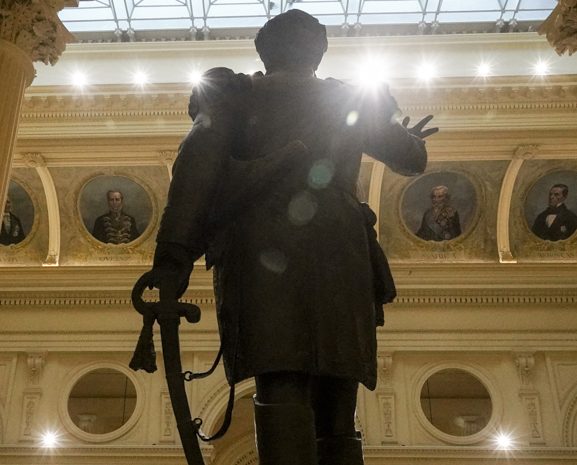
To visit this exhibition, it is necessary to go through three different spaces in the Museum: the Lobby, the Staircase, and the Main Hall. These spaces are decorated with sculptures and paintings that present a version of the formation of Brazil. The works represent explorers and characters from the beginning of Portuguese colonization, as well as characters and events related to Independence. Also on display are vases containing water from Brazilian rivers and the painting "Independence or Death!", by Pedro Américo. This area of the Museum is protected by heritage preservation agencies, which means it must maintain its original characteristics. For this reason, the room retains the same presentation as when the last paintings were installed, in the 1960s. But this does not prevent it from being discussed and interpreted from new perspectives, which are presented in this exhibition.
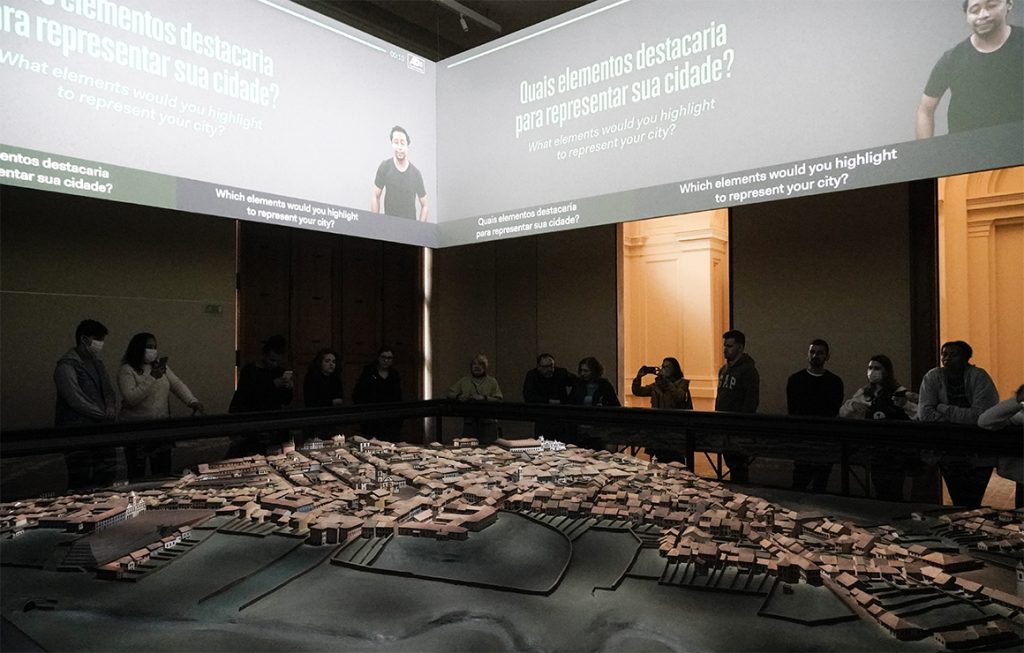
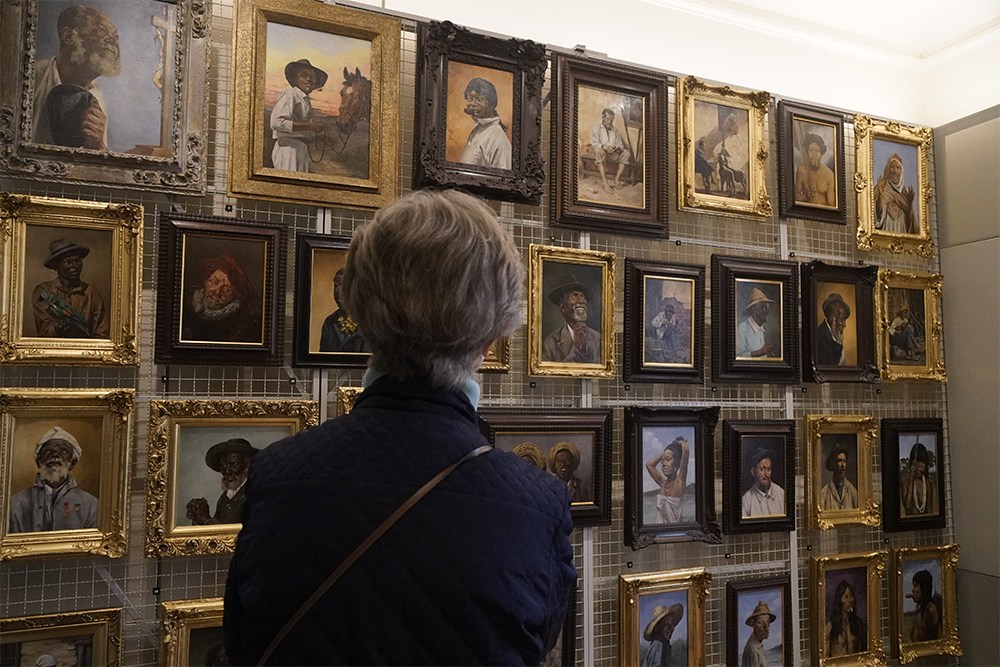
In this exhibition, you can see paintings that depict scenes and characters from Brazil's past. These are well-known images, and you've probably seen some of them in schoolbooks or other everyday objects. Much debated today, these representations were made from elitist perspectives that devalued the presence of Indigenous and Black people in Brazil's past. Here you will also find a scale model and paintings depicting the city of São Paulo approximately 150 years ago.
This exhibition deals with the formation of Brazilian territory and the conflicts between the Portuguese, indigenous peoples, Spaniards, French, and Dutch during the colonization process. Here you will find maps, instruments used for navigation, and stone objects that were used in this process of occupation and territorial division. These objects and images clearly show the invasion of territories, the destruction of villages, the deaths, and the enslavement of indigenous populations. Several videos illustrate the exhibition, presenting different perspectives on colonization.
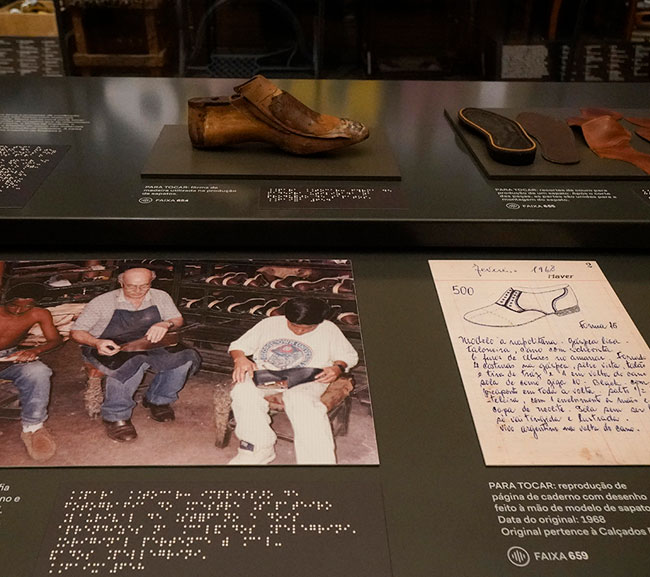
This exhibit showcases the work of laborers in various activities and periods throughout Brazilian history. Here, you will find images documenting labor, tools used in public construction projects such as highways and railways, and also displays tools and other objects related to agricultural work. The exhibition aims to show that all work involves planning, technique and creation, employing both physical and intellectual effort.
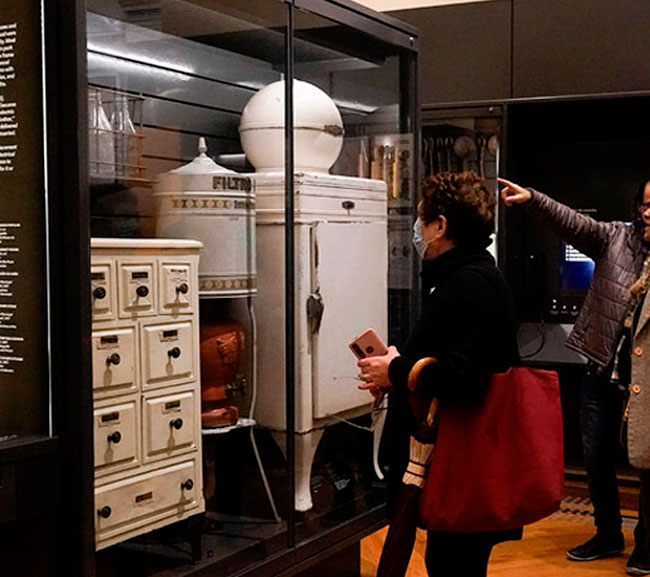
This exhibition explores the domestic space as a place where our way of being is shaped. It showcases work and decorative objects from different São Paulo homes over the last 150 years, such as tableware, kitchen utensils, and office supplies. Through these objects, we are invited to reflect on their uses, ornamentation, and materials. By observing how objects relate to each other and to the people who use them, we can understand how they have contributed to the construction of individual and social identities based on gender differences.
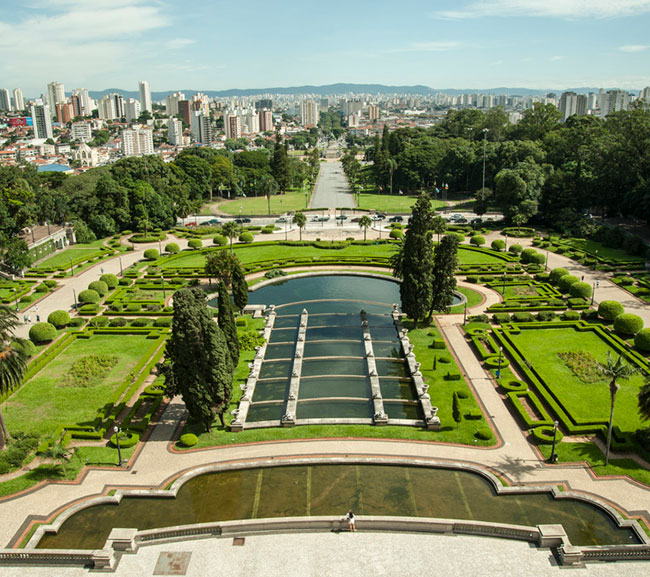
In this exhibition you will find aerial photographs of the Ipiranga neighborhood, which show the area surrounding the Museum at different moments in its history. These images were captured from different points, such as the top of the Monument Building, airplanes, and drones. You can also visit the viewpoint, a space designed for observing this landscape in modern times.
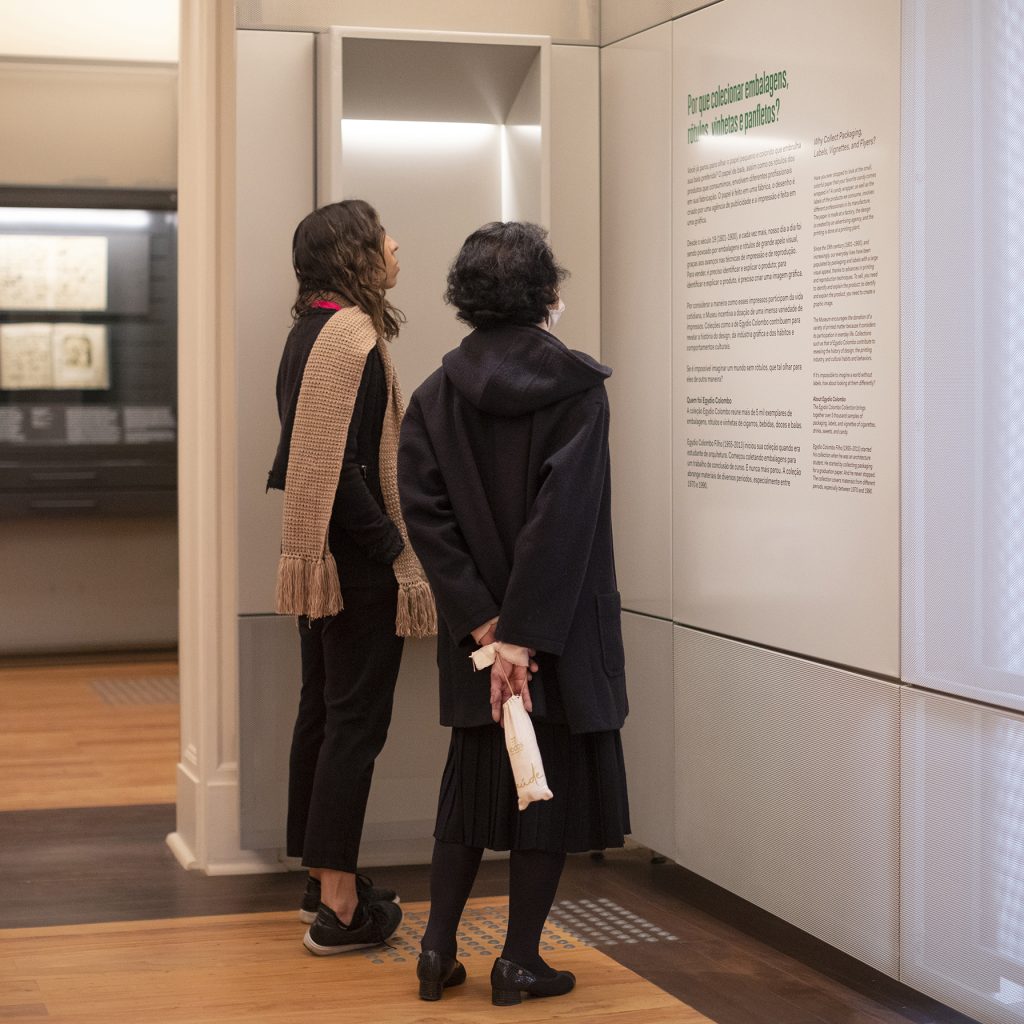
There are four exhibitions dedicated to showcasing the work of professionals from different areas of expertise at the Museum. These initiatives are called the curatorial cycle. This exhibition explores the first stage of the cycle: Collecting. Samples from our collections are used to explain the changes in document collection policies, which have led both to a broadening of the range of social segments represented and to a variety of materials and techniques.
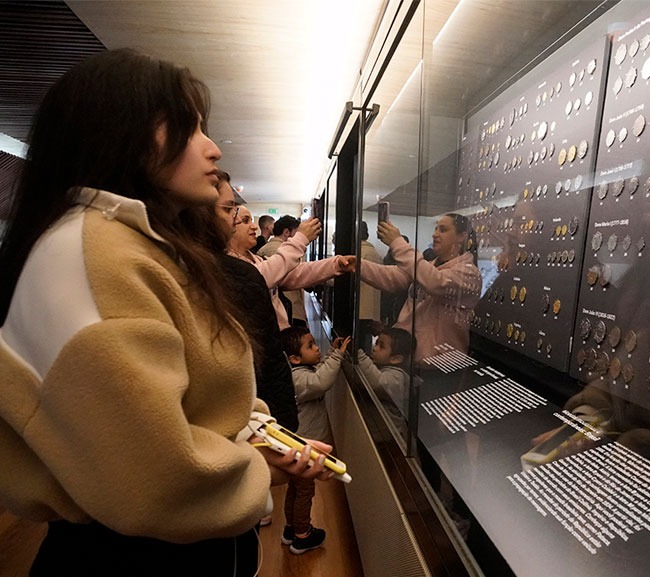
This presents the second stage of the curatorial cycle: Cataloging. You will discover how objects are described and documented, starting with the traditional collection of coins and medals, which has very established ways of identifying and describing its materials and symbolism.
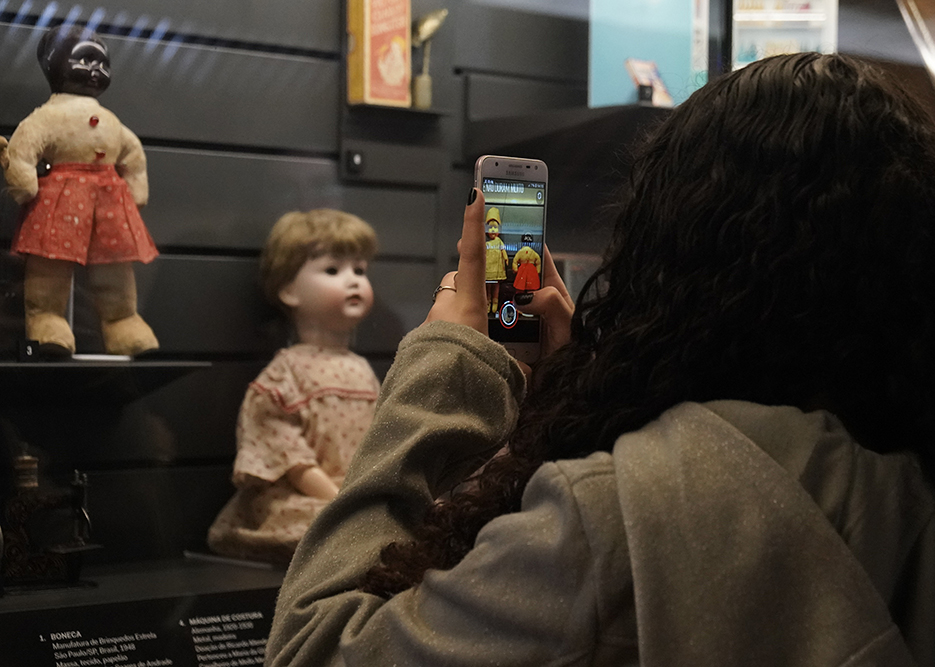
This exhibit shows how the work of preserving a collection is carried out. There are hundreds of toys from playhouses alongside toy cars, spaceships, and rockets. Here, it's possible to demonstrate the conservation process from the initial assessment of an item upon its arrival in the collection, through cleaning and restoration activities, packaging methods, and storage in the technical reserves.
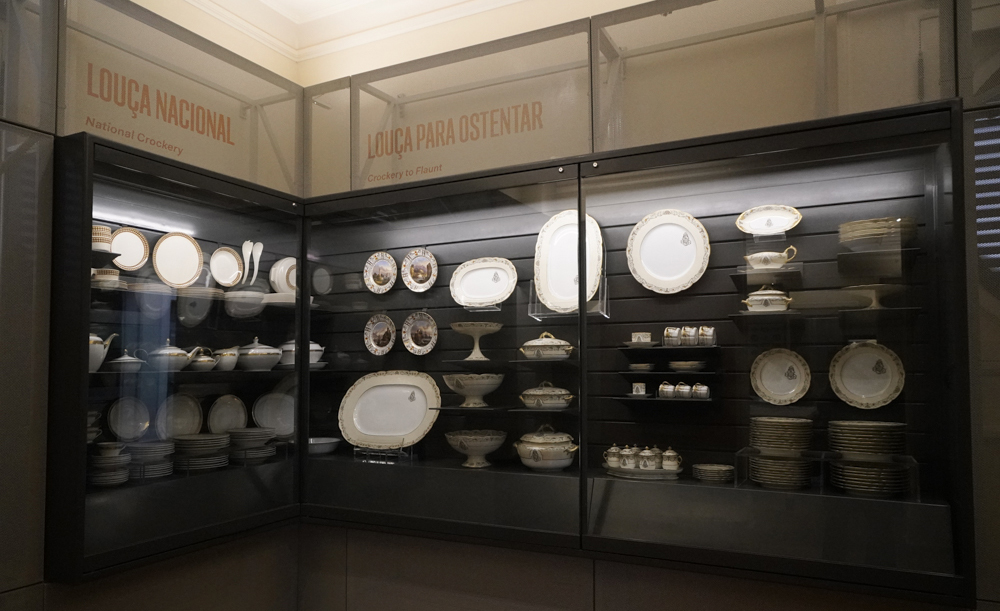
The final stage of the curatorial cycle is communication. Using our tableware collections, we will be able to demonstrate how an exhibition is produced, a process quite different from simply displaying the objects. The exhibition is related to selection, creation, and interpretation; in other words, a process of knowledge that is far from neutral or merely asserting a truth.